

Key Differences Between Remedial Massage and Myotherapy - A Remedial Massage Comparison

When you’re dealing with pain, injury, or simply seeking better body balance, understanding your treatment options can make a big difference. Two popular therapies that often come up are remedial massage and myotherapy. Both aim to relieve discomfort and improve your well-being, but they do so in different ways. I want to guide you through the key differences between these two approaches, helping you make an informed choice that suits your needs.
Understanding Remedial Massage - A Remedial Massage Comparison
Remedial massage is a therapeutic technique focused on identifying and treating soft tissue problems. It involves hands-on manipulation of muscles, tendons, ligaments, and connective tissue to relieve pain and improve function. The therapist uses a variety of strokes and pressures tailored to your specific condition.
One of the strengths of remedial massage is its versatility. It can help with muscle tension, stiffness, and injuries caused by overuse or trauma. For example, if you’ve been sitting at a desk for hours and feel tightness in your shoulders and neck, remedial massage can target those areas to release tension and improve circulation.
The treatment usually begins with an assessment where the therapist asks about your symptoms and medical history. This helps them create a personalised plan. Sessions often include techniques like deep tissue massage, trigger point therapy, and stretching.
Remedial massage is not just about relaxation; it’s about addressing the root cause of your discomfort. It’s a practical approach that supports recovery and helps prevent future problems.

Exploring Myotherapy and How It Differs
Myotherapy is a specialised form of manual therapy that focuses on the assessment, treatment, and management of musculoskeletal pain and associated conditions. It combines massage techniques with clinical assessment and rehabilitation exercises.
Unlike remedial massage, myotherapy often involves a more detailed evaluation of your posture, movement patterns, and muscle function. The therapist may use techniques such as dry needling, joint mobilisation, and corrective exercises alongside massage to address muscle imbalances and dysfunction.
For example, if you have chronic lower back pain caused by poor posture or muscle weakness, a myotherapist will not only work on relieving the pain but also guide you through exercises to strengthen the affected muscles and improve your posture.
Myotherapy is particularly effective for persistent or complex pain conditions. It aims to restore normal muscle function and prevent recurrence by addressing the underlying causes, not just the symptoms.
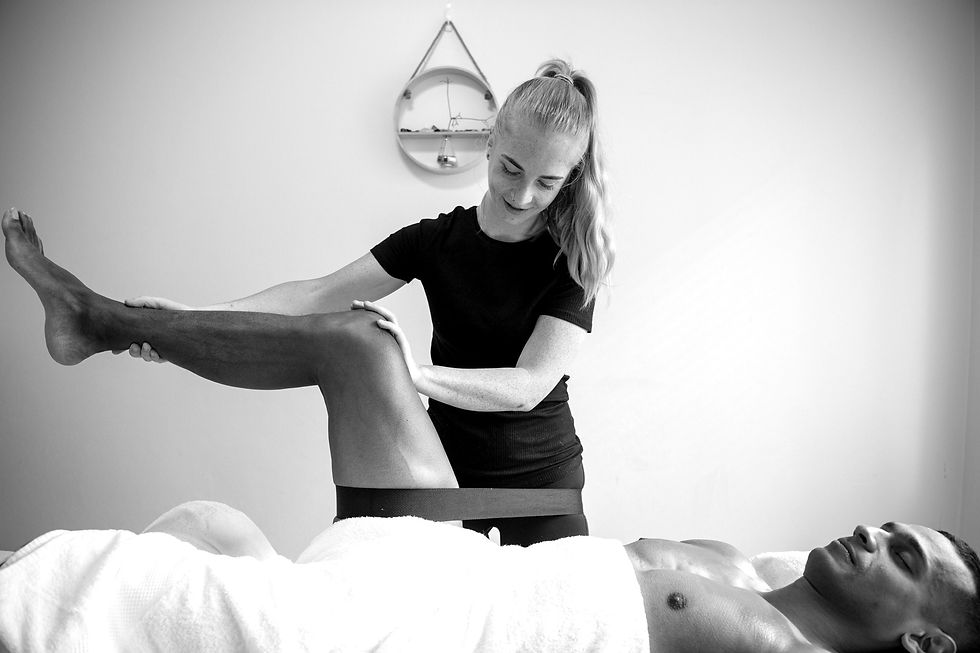
If you want to explore the difference between remedial massage and myotherapy, this link provides a clear and detailed explanation to help you decide which therapy might be best for you.
What Massage Is Good for High Cortisol Levels?
High cortisol levels, often linked to stress, can negatively impact your health by causing muscle tension, fatigue, and poor sleep. Massage therapy can be a valuable tool to help manage these effects.
Both remedial massage and myotherapy can reduce muscle tension and promote relaxation, which in turn helps lower cortisol levels. However, remedial massage is often preferred for stress-related issues because it focuses on gentle, soothing techniques that encourage relaxation and calm the nervous system.
For example, a remedial massage session might include slow, rhythmic strokes and light pressure to help you unwind and reduce stress hormones. This can improve your mood and support better sleep patterns.
If your high cortisol is related to muscle pain or injury, myotherapy might be recommended alongside remedial massage to address both the physical and stress-related aspects of your condition.
How to Choose Between Remedial Massage and Myotherapy
Choosing the right therapy depends on your specific needs and goals. Here are some practical tips to help you decide:
Identify your main concern
If you have general muscle tension, stiffness, or minor injuries, remedial massage is a great starting point.
If you suffer from chronic pain, muscle imbalances, or complex injuries, myotherapy might be more suitable.
Consider your treatment goals
For relaxation and stress relief, remedial massage offers a calming experience.
For rehabilitation and long-term pain management, myotherapy provides a more clinical approach.
Think about your lifestyle
If you want ongoing support with exercises and posture correction, myotherapy includes these elements.
If you prefer hands-on treatment without exercises, remedial massage focuses on manual therapy.
Consult a professional
A qualified therapist can assess your condition and recommend the best approach.
Don’t hesitate to ask questions about their methods and experience.
Remember, both therapies can complement each other. You might find that combining remedial massage for relaxation and myotherapy for rehabilitation offers the best results.
What to Expect During Your Treatment Sessions
Knowing what happens during your sessions can ease any anxiety and help you get the most from your therapy.
Remedial Massage Session
You’ll start with a brief consultation about your symptoms and health history.
The therapist will use hands-on techniques to work on tight or painful muscles.
You might feel some pressure, but it should never be painful.
Sessions typically last between 30 to 120 minutes.
After the massage, you may feel relaxed or slightly tired, which is normal.
Myotherapy Session
The session begins with a detailed assessment of your posture, movement, and muscle function.
Treatment may include massage, dry needling, joint mobilisation, and stretching.
You might be given exercises to do at home to support your recovery.
Sessions usually last 45 to 90 minutes.
You may experience some soreness after treatment, especially if dry needling or deep techniques are used.
Both therapies encourage open communication. Feel free to share your comfort levels and any concerns during the session.
Embracing a Holistic Approach to Your Well-being
Taking care of your body is a journey, and choosing the right therapy is an important step. Whether you opt for remedial massage or myotherapy, the goal is to help you feel better, move more freely, and enjoy life without pain holding you back.
I encourage you to listen to your body and be patient with the process. Healing takes time, and consistent care can lead to lasting improvements. Combining therapy with healthy habits like regular exercise, good posture, and stress management will support your overall well-being.
If you’re ready to explore personalised treatment options, consider reaching out to a trusted therapist who can tailor their approach to your unique needs. Your body deserves the best care, and with the right support, you can find relief and balance.

I hope this guide has helped clarify the key differences between remedial massage and myotherapy. Remember, the right choice is the one that feels right for you and supports your path to wellness.


Comments