

Discover Tailored Myotherapy Treatments for Your Unique Needs

Myotherapy is a specialised form of physical therapy that focuses on the treatment of musculoskeletal pain and dysfunction. It offers a holistic approach to healing, addressing the root causes of discomfort rather than just the symptoms. If you are seeking relief from chronic pain, tension, or injury, tailored myotherapy treatments can provide the personalised care you need. In this blog post, we will explore the various aspects of myotherapy, how it can be customised to meet your unique needs, and the benefits it offers.
What is Myotherapy?
Myotherapy is a manual therapy that involves the assessment, treatment, and management of musculoskeletal pain. It utilises a variety of techniques, including:
Massage: To relieve tension and improve circulation.
Stretching: To enhance flexibility and range of motion.
Trigger Point Therapy: To target specific areas of muscle tightness.
Exercise Prescription: To strengthen muscles and prevent future injuries.
This comprehensive approach allows myotherapists to address a wide range of conditions, from sports injuries to chronic pain syndromes.
The Importance of Tailored Treatments
Every individual is unique, and so are their pain experiences. Tailored myotherapy treatments are essential for several reasons:
Personalised Assessment: A thorough assessment helps identify the specific causes of pain and dysfunction. This may include posture analysis, movement patterns, and lifestyle factors.
Customised Treatment Plans: Based on the assessment, myotherapists can create a treatment plan that addresses the individual's specific needs. This may involve a combination of techniques and modalities.
Ongoing Evaluation: Regular evaluations allow for adjustments to the treatment plan as the individual progresses. This ensures that the therapy remains effective and relevant.
Common Conditions Treated with Myotherapy
Myotherapy can effectively treat a variety of conditions, including:
Back Pain: Often caused by poor posture, muscle strain, or injury.
Neck Pain: Frequently related to tension, stress, or repetitive movements.
Sports Injuries: Such as sprains, strains, and tendonitis.
Headaches: Often linked to muscle tension and stress.
Chronic Pain Conditions: Including fibromyalgia and arthritis.
By addressing these conditions with tailored treatments, individuals can experience significant relief and improved quality of life.
Techniques Used in Myotherapy
Myotherapy employs a range of techniques to provide effective treatment. Here are some of the most common methods:
Massage Therapy
Massage is a cornerstone of myotherapy. It helps to relax tight muscles, improve circulation, and promote overall well-being. Techniques may include:
Swedish Massage: For relaxation and stress relief.
Deep Tissue Massage: To target deeper layers of muscle and connective tissue.
Sports Massage: Designed for athletes to prevent and treat injuries.
Trigger Point Therapy
Trigger points are tight knots in muscles that can cause pain and discomfort. Myotherapists use specific techniques to release these points, alleviating pain and restoring function.
Stretching and Joint Mobilisation
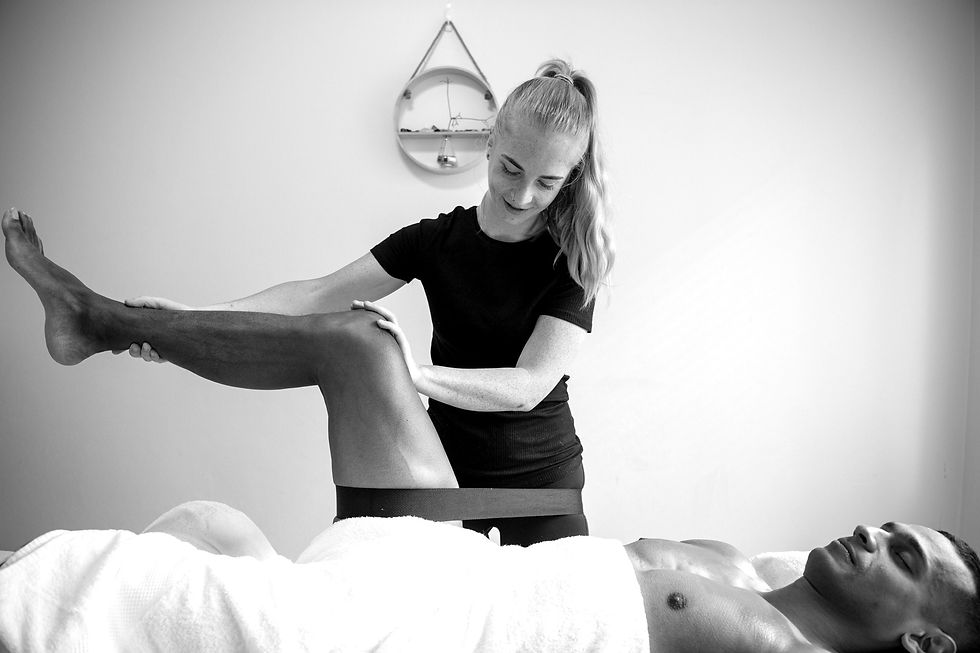
Incorporating stretching and joint mobilisation techniques helps improve flexibility and range of motion. This is particularly important for individuals recovering from injuries or dealing with chronic pain.
Exercise Prescription
Myotherapists often prescribe specific exercises to strengthen muscles and support recovery. These exercises are tailored to the individual's needs and can be performed at home or in a clinical setting.
The Benefits of Myotherapy
Choosing tailored myotherapy treatments offers numerous benefits, including:
Pain Relief: Many individuals experience significant pain relief after just a few sessions.
Improved Mobility: Myotherapy can enhance flexibility and range of motion, making daily activities easier.
Enhanced Recovery: For athletes, myotherapy can speed up recovery from injuries and improve performance.
Stress Reduction: The relaxation techniques used in myotherapy can help reduce stress and promote mental well-being.
Finding the Right Myotherapist
When seeking myotherapy treatment, it's essential to find a qualified practitioner. Here are some tips for choosing the right myotherapist:
Check Qualifications: Ensure the myotherapist is certified and has relevant training in myotherapy techniques.
Read Reviews: Look for testimonials or reviews from previous clients to gauge the practitioner's effectiveness.
Ask About Treatment Plans: A good myotherapist will be willing to discuss their approach and how they tailor treatments to individual needs.
Schedule a Consultation: Meeting with a myotherapist before starting treatment can help you feel more comfortable and informed about the process.
What to Expect During a Myotherapy Session
Understanding what to expect during a myotherapy session can help alleviate any anxiety. Here’s a typical outline of a session:
Initial Assessment: The myotherapist will conduct a thorough assessment, discussing your medical history, current symptoms, and lifestyle factors.
Treatment Plan Discussion: Based on the assessment, the myotherapist will explain the proposed treatment plan and techniques to be used.
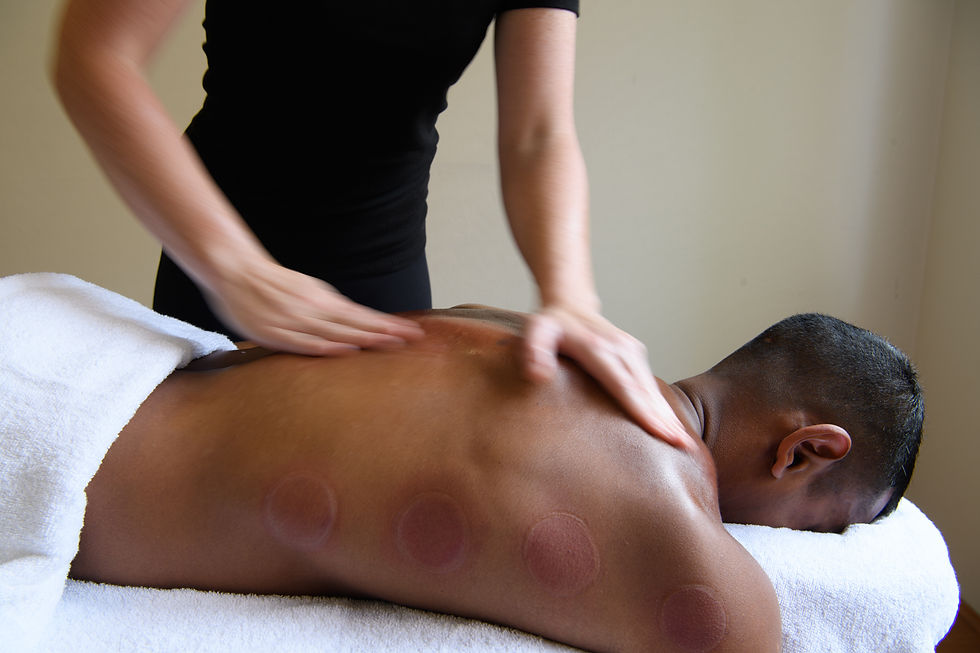
Hands-On Treatment: The myotherapist will perform the chosen techniques, which may include massage, stretching, and trigger point therapy.
Post-Treatment Advice: After the session, the myotherapist may provide advice on self-care, exercises, or lifestyle changes to support recovery.
Self-Care Tips to Complement Myotherapy
To maximise the benefits of myotherapy, consider incorporating these self-care tips into your routine:
Stay Hydrated: Drinking plenty of water helps flush out toxins released during treatment.
Practice Good Posture: Being mindful of your posture can prevent further strain on your muscles.
Incorporate Stretching: Regular stretching can maintain flexibility and prevent muscle tightness.
Manage Stress: Engage in relaxation techniques such as meditation or deep breathing exercises.
Conclusion
Tailored myotherapy treatments can provide effective relief for a variety of musculoskeletal issues. By addressing your unique needs through personalised assessments and treatment plans, myotherapy offers a holistic approach to healing. Whether you are dealing with chronic pain, recovering from an injury, or simply seeking relaxation, myotherapy can support your journey to better health.
If you are ready to explore how myotherapy can benefit you, consider reaching out to Tep, a qualified myotherapist today. Your path to relief and recovery starts with a single step.


Comments