

Find a Trusted Myotherapy Clinic: Your Guide to Myotherapy Services

When your body feels out of balance or pain lingers longer than it should, finding the right support can make all the difference. Myotherapy offers a gentle yet effective approach to easing discomfort and restoring your body’s natural harmony. If you’re in discomfort or pain and looking for relief, understanding what myotherapy services can offer is a great first step. I want to share insights that will help you find a trusted myotherapy clinic and feel confident in your journey toward better well-being.
Understanding Myotherapy Services
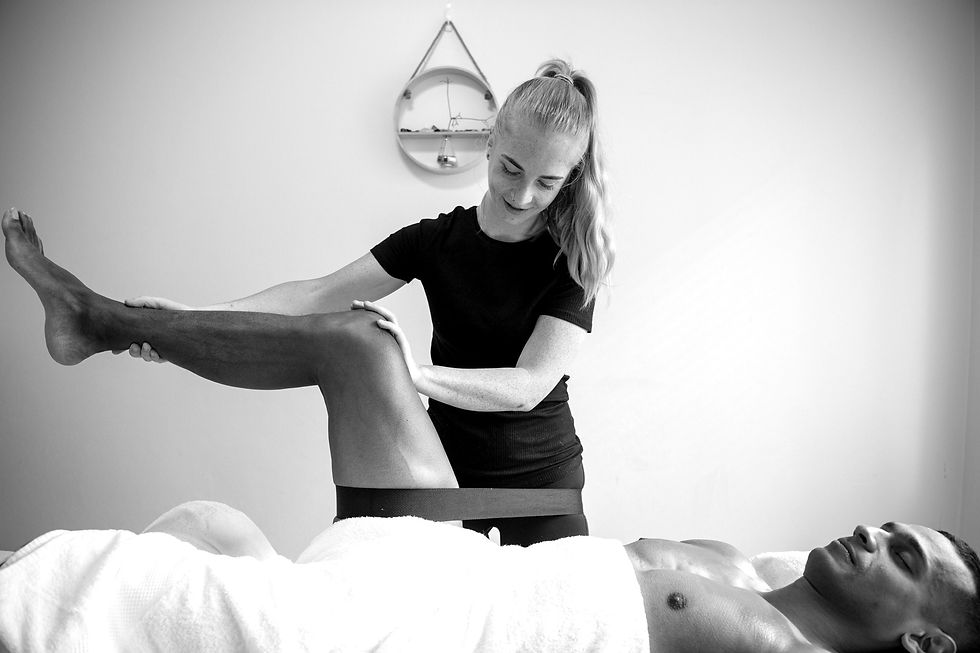
Myotherapy is a hands-on therapy focusing on the assessment, treatment, and management of musculoskeletal pain and dysfunction. It combines techniques such as trigger point therapy, dry needling, stretching, and remedial massage to address the root causes of pain rather than just the symptoms.
Myotherapy clinics provide tailored treatments designed to suit your unique needs. Whether you’re dealing with chronic pain, recovering from an injury, or simply seeking to improve your body’s balance, these services can be adapted to support your goals.
Here are some key benefits of myotherapy services:
Pain relief: Targeting muscle knots and tension to reduce discomfort.
Improved mobility: Enhancing joint movement and flexibility.
Injury recovery: Supporting faster healing through targeted therapy.
Postural correction: Addressing imbalances that contribute to pain.
Stress reduction: Promoting relaxation and overall well-being.
Finding a practitioner that listens to your concerns and creates a personalised treatment plan is essential. This approach ensures your therapy is effective and sustainable.

How to Choose the Right Myotherapist
Choosing a myotherapist can feel overwhelming, but focusing on a few important factors can guide you to the right place. Here’s what I recommend considering:
Qualifications and Experience
Ensure the therapist is fully qualified and registered with a recognised professional body. Experience in treating conditions similar to yours is a bonus.
Personalised Care
Look for clinics that offer tailored treatment plans. Your body and pain are unique, so a one-size-fits-all approach won’t be as effective.
Clinic Environment
A calm, clean, and welcoming environment helps you feel comfortable and relaxed during your sessions.
Client Reviews and Testimonials
Hearing from others who have experienced relief can provide reassurance and insight into the clinic’s quality.
Accessibility and Location
Convenience matters. Finding a local myotherapist means you can maintain regular appointments without added stress.
Communication
Your therapist should explain the treatment process clearly and answer your questions patiently.
By keeping these points in mind, you can find a clinic that feels like a safe and supportive space for your healing journey.
Can Myotherapy Help with Headaches?
Headaches can be debilitating, affecting your daily life and overall mood. Many people don’t realise that muscle tension and poor posture often contribute to headache pain. Myotherapy can be a valuable tool in managing and reducing headaches, especially those linked to muscular issues.
Myotherapists use techniques such as trigger point therapy and gentle stretching to release tension in the neck, shoulders, and upper back. These areas often hold tightness that can radiate pain to the head. By addressing these muscle imbalances, myotherapy can:
Reduce the frequency and intensity of tension headaches.
Improve blood flow and relaxation in affected areas.
Support better posture to prevent future headaches.
If you suffer from headaches, discussing this with your myotherapist can help tailor your treatment to target these specific concerns. Many clients find that regular sessions lead to noticeable improvements in their headache patterns.

What to Expect During Your First Myotherapy Session
Starting myotherapy can feel new and unfamiliar, so knowing what to expect can ease any anxiety. Your first session will typically include:
Initial Assessment
Your therapist will ask about your medical history, pain areas, lifestyle, and goals. This helps them understand your unique situation.
Physical Examination
They may assess your posture, muscle tension, and movement to identify problem areas.
Treatment Plan Discussion
Based on the assessment, your therapist will explain the proposed treatment approach and what you can expect.
Hands-on Treatment
The session will include techniques such as massage, trigger point release, stretching, or dry needling, depending on your needs.
Aftercare Advice
You may receive guidance on stretches, exercises, or lifestyle changes to support your recovery.
Sessions usually last between 30 to 90 minutes. It’s normal to feel some soreness after treatment, but this should ease quickly. Regular appointments often lead to the best results, as your body gradually responds to therapy.
Supporting Your Recovery Between Sessions
Myotherapy is most effective when combined with your active participation. Here are some practical tips to support your recovery and enhance the benefits of your treatment:
Stay Hydrated
Drinking plenty of water helps flush out toxins released during therapy.
Follow Home Exercises
Your therapist may provide stretches or strengthening exercises to maintain progress.
Maintain Good Posture
Be mindful of your posture during daily activities to reduce strain.
Rest and Sleep Well
Quality rest supports your body’s healing processes.
Manage Stress
Techniques like deep breathing or meditation can complement your physical therapy.
By taking these steps, you empower yourself to achieve lasting relief and improved well-being.
Finding Your Trusted Partner in Myotherapy
Choosing a myotherapy clinic is about more than just treatment - it’s about finding a partner who understands your journey and supports your goals. When you find a clinic that offers personalised care, clear communication, and a welcoming environment, you set yourself up for success.
If you’re ready to take the next step, consider reaching out to a local myotherapy clinic that prioritises your comfort and healing. With the right support, you can move toward a life with less pain and more balance.
Remember, your body deserves gentle, expert care that addresses the root of your discomfort. Myotherapy can be that care, guiding you back to feeling your best.
I hope this guide helps you feel more confident in finding the right myotherapist.
Your journey to lasting relief and improved well-being is within reach.


Comments