

Benefits of Remedial Massage:

Remedial massage is more than just a luxury; it is a powerful tool for improving physical and mental well-being. Whether you are an athlete recovering from an injury, a busy professional dealing with stress, or someone simply looking to enhance your overall health, remedial massage offers care tailored to your unique needs. In this blog post, we will explore the numerous benefits of remedial massage, how it works, and why it is an essential part of self-care for everyone.

Understanding Remedial Massage
Remedial massage focuses on treating specific muscles which aims to promote general relaxation. Remedial massage targets the underlying issues causing discomfort or pain, and this type of massage can help with:
Muscle tension: Alleviating tightness in muscles that can lead to pain and discomfort.
Injury recovery: Supporting the healing process of injuries by improving blood flow and reducing inflammation.
Postural issues: Addressing imbalances caused by poor posture, which can lead to chronic pain.
How Does Remedial Massage Work?
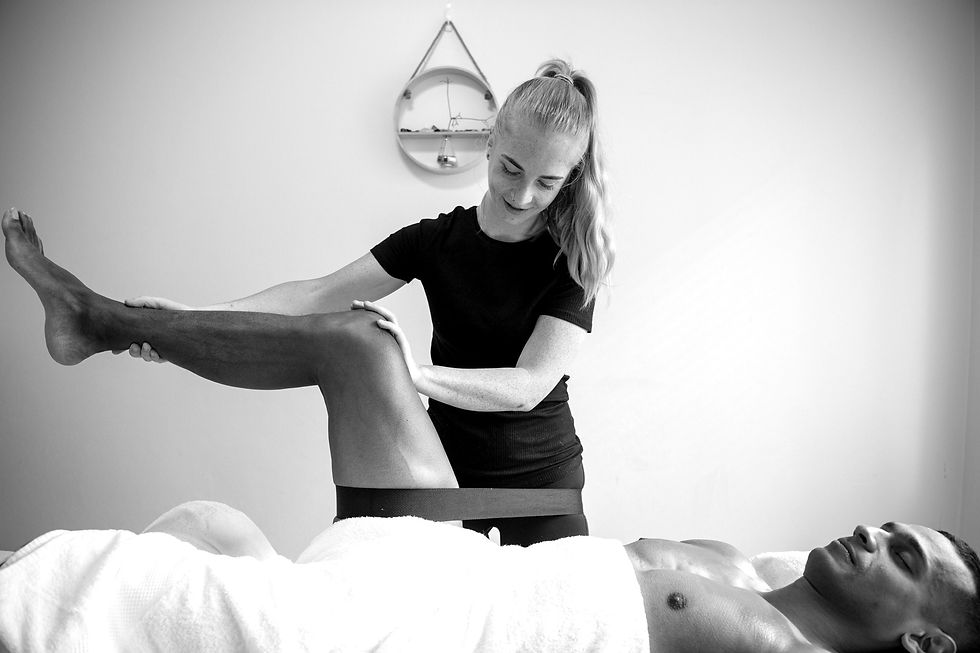
Remedial massage therapists use various techniques to assess and treat your body. These may include:
Deep tissue techniques: Focusing on deeper layers of muscle and connective tissue to relieve tension.
Trigger point therapy: Targeting specific points in the muscle that are hyper-irritable and can cause pain in other areas.
Myofascial release: Applying gentle sustained pressure to the connective tissue to eliminate pain and restore movement.
By understanding your specific needs, a remedial massage therapist can address your concerns effectively.
The Benefits of Remedial Massage
Pain Relief
One of the most significant benefits of remedial massage is its ability to relieve pain. Whether you suffer from chronic pain conditions like fibromyalgia or acute pain from an injury, remedial massage can help reduce discomfort. Studies have shown that massage therapy can decrease pain levels and improve function in individuals with musculoskeletal pain.
Improved Mobility and Flexibility
Regular sessions of remedial massage can enhance your range of motion and flexibility. By loosening tight muscles and releasing tension in the fascia, you can experience greater ease of movement. This is particularly beneficial for athletes or individuals who engage in physical activities, as improved flexibility can lead to better performance and reduced risk of injury.
Stress Reduction and Mental Clarity
In our fast-paced world, stress is a common issue that affects many people. Remedial massage not only addresses physical ailments but also promotes relaxation and mental clarity. The soothing effects of massage can lower cortisol levels, the hormone associated with stress, and increase serotonin and dopamine, which are linked to feelings of well-being.
Enhanced Circulation
Massage therapy stimulates blood flow, which is essential for delivering oxygen and nutrients to tissues and organs. Improved circulation can help speed up recovery from injuries, reduce muscle soreness, and promote overall health. Enhanced circulation also aids in the removal of toxins from the body, contributing to better health.
Who Can Benefit from Remedial Massage?
Remedial massage is suitable for a wide range of individuals, including:
Athletes: To prevent injuries and enhance performance.
Office workers: To alleviate tension caused by prolonged sitting and poor posture.
Individuals with chronic pain: To manage conditions such as arthritis or fibromyalgia.
Pregnant women: To relieve discomfort associated with pregnancy.
Anyone seeking relaxation: To reduce stress and promote overall well-being.
Case Study: Athlete Recovery
Consider the case of a local athlete who suffered a hamstring injury during training. After a thorough assessment, the remedial massage therapist developed a treatment plan that included deep tissue techniques and stretching exercises. Over several sessions, the athlete experienced reduced pain and improved mobility, allowing them to return to their sport more quickly and safely. Even stated that they feel their performance improved as well.
What to Expect During a Remedial Massage Session
Initial Consultation
Your first session will typically begin with an initial consultation. The therapist will ask about your medical history, current concerns, and any specific areas of pain or tension. This information is crucial for developing a personalised treatment plan.
Treatment Techniques
During the session, the therapist will use various techniques based on your needs. You may experience deep pressure, stretching, or gentle manipulation of muscles. Communication is key; don’t hesitate to inform your therapist if you feel discomfort or if certain areas require more attention.
Post-Treatment Care
After your session, you may feel relaxed and rejuvenated. It’s essential to drink plenty of water to help flush out toxins released during the massage. Your therapist may also provide recommendations for stretches to continue your progress at home.
Frequency of Remedial Massage
The frequency of remedial massage sessions can vary based on individual needs. Some may benefit from weekly sessions, while others might find monthly visits sufficient. It’s essential to discuss your goals with your therapist to determine the best schedule for you.
Conclusion
Remedial massage is a valuable tool for anyone looking to improve their physical and mental well-being. With its focus on personalised care, it addresses specific concerns and promotes overall health. Whether you are recovering from an injury, managing chronic pain, or simply seeking relaxation, remedial massage can provide significant benefits.
Take the first step towards better health by scheduling a session with Tep today. Your body will thank you for it!


Comments